
Charged with Trafficking of Drugs in Florida?
For many people, the shock comes after the arrest. What you thought was a possession charge is suddenly labeled trafficking. In Florida, that shift often has nothing to do with an alleged sale. It is usually about weight. Once law enforcement claims the amount meets certain trafficking thresholds in Florida, the charge escalates, and so does your exposure.

Call (305) 330-1360 for a free, confidential consultation.
That escalation can trigger severe consequences, including mandatory minimum drug sentences measured in years rather than months. In some situations, especially those involving large quantities, interstate movement, ports, or task force investigations, the case may even draw federal attention and lead to potential federal drug trafficking charges. If you are under investigation, recently arrested, or facing enhanced charges after lab testing, the situation can feel like it changed overnight.
As former prosecutors, we understand how these cases are built and how quickly assumptions, such as “intent to distribute,” are used to justify more serious charges. Early legal strategy is critical. At Hager & Schwartz, P.A., we focus exclusively on criminal defense. Our trial-ready attorneys are available 24/7 to intervene quickly, assess whether the alleged weight truly supports trafficking, and protect you before the case escalates further.
If you’re looking for a drug trafficking attorney in Miami, you likely need answers immediately. The earlier a drug trafficking lawyer becomes involved, the more options may be available to challenge the evidence, address mandatory minimum exposure, and evaluate whether federal crossover is a realistic risk.
Contact us for a confidential consultation and sound legal guidance.
What Legally Counts as Drug Trafficking in Florida?
Under Florida Statute § 893.135, drug trafficking is defined more broadly than many people expect. The statute does not require proof that you sold drugs.
Instead, the law focuses on whether someone knowingly:
- Sells a controlled substance
- Purchases it
- Manufactures it
- Delivers it
- Brings it into the state of Florida
- Possesses a certain weight threshold
In practice, most trafficking charges in Miami are triggered by weight, not by direct evidence of sales. Florida law sets specific quantity thresholds for different substances.
Once law enforcement alleges that the amount meets or exceeds those levels, the charge automatically becomes trafficking, even if the drugs were allegedly for personal use.
For example:
- Cannabis (marijuana): More than 25 pounds, or 300 or more plants
- Cocaine: 28 grams or more
- Heroin or fentanyl: 4 grams or more
- Methamphetamine: 14 grams or more
Crossing one of these thresholds significantly increases exposure and can trigger mandatory minimum drug sentences.
What About “Intent to Distribute”?
Even when weight alone supports a trafficking charge, prosecutors often build a broader narrative around intent to distribute.
They may point to:
- Packaging materials
- Large amounts of cash
- Digital communications
- Scales or ledgers
However, it is important to understand that under Florida’s trafficking statute, the State does not have to prove an actual sale if the alleged weight meets statutory levels.
Constructive Possession: You Don’t Have to Be Holding It
Another critical concept in trafficking cases is constructive possession. This means drugs do not have to be physically in your hand or pocket to result in charges.
Prosecutors may argue constructive possession if:
- The substance was near you
- You had knowledge of its presence
- You had the ability to exercise control over it
For example, drugs found in a shared vehicle, apartment, or storage space can lead to trafficking allegations if the State claims you had control over them.
Because trafficking is heavily weight-driven and does not require proof of an actual transaction, cases often escalate quickly. Understanding how § 893.135 is structured is the first step in evaluating real exposure and identifying where the prosecution’s theory may be challenged.
Mandatory Minimum Drug Sentences in Florida
One of the most serious aspects of a trafficking charge under Florida law is the presence of mandatory minimum drug sentences. Unlike many other felony offenses, trafficking penalties are structured in tiers based primarily on the weight of the drugs. Once the State alleges that a specific threshold has been met, the court’s discretion can become significantly limited.
Under Florida Statute § 893.135, trafficking penalties increase as the alleged weight increases.
While the exact numbers vary depending on the substance, the structure generally follows this pattern:
- 3-year mandatory minimum
-
-
- Triggered at the lowest trafficking threshold for many substances.
- Typically accompanied by a $50,000 fine.
-
- 7-year mandatory minimum
-
-
- Applies when the alleged weight exceeds the first-tier limit.
- Often paired with a $100,000 fine.
-
- 15-year mandatory minimum
-
- Triggered at higher weight levels.
- Frequently includes a $250,000 fine.
These are minimums, not maximums. Judges may impose longer sentences depending on the circumstances, prior record, or additional charges.
Armed Drug Trafficking Enhancements
If a person allegedly:
- Possesses a firearm
- Uses a firearm, or
- Threatens to use a firearm
during the commission of a trafficking offense, prosecutors may pursue an armed drug trafficking enhancement. In certain cases, this can expose a defendant to life imprisonment.
Firearm allegations dramatically change the landscape of a trafficking case and require immediate strategic review.
Prior Convictions and Sentencing Impact
A prior criminal history can also increase exposure.
Repeat felony offenders may face:
- Higher sentencing ranges
- Reduced negotiation flexibility
- Increased prosecutorial scrutiny
When trafficking charges intersect with prior convictions, the case becomes more complex, and the stakes rise accordingly.
One of the most challenging aspects of trafficking cases is that judges often have limited authority to deviate from mandatory minimum sentences. Unless specific statutory exceptions apply, such as substantial assistance provisions, the court may be required to impose at least the minimum term if the weight threshold is proven.
This is why early case analysis is critical. Challenging:
- The alleged weight
- The legality of the search
- The chain of custody
- The laboratory testing procedures
can directly affect whether mandatory minimum exposure applies.
In trafficking cases, the difference between crossing a weight threshold and falling below it can mean years of incarceration. Careful, strategic defense at the outset can significantly influence how sentencing exposure ultimately unfolds.
When Drug Trafficking Charges Become Federal
Not every trafficking case stays in state court. In Miami, certain factors can cause a case to be transferred from state to federal prosecution, and that shift changes the stakes.
Federal drug cases are typically charged under 21 U.S.C. § 841, which criminalizes the manufacture, distribution, or possession with intent to distribute controlled substances. Like Florida law, federal statutes use quantity thresholds, but federal sentencing operates under a different framework and often carries harsher long-term consequences.
Federal authorities generally become involved when a case includes one or more of the following factors:
- Interstate transport: Movement of drugs across state lines can trigger federal jurisdiction.
- Wire communications: Text messages, phone calls, or electronic transfers that cross state lines may draw federal scrutiny.
- Large quantity thresholds: Higher-level quantities often attract federal attention, particularly when tied to alleged distribution networks.
- Shipping routes and ports: Miami is home to the Port of Miami, a major international shipping hub. Cases involving importation or maritime transport frequently involve federal agencies.
- Airport interdiction: Drug seizures at Miami International Airport often involve federal task forces.
- Joint task force investigations: Agencies such as the DEA, FBI, and Homeland Security Investigations frequently collaborate with local law enforcement. If your arrest followed a multi-agency investigation, federal charges may already be under consideration.
- Prior convictions or alleged distribution networks: A criminal history or alleged ties to broader operations can increase the likelihood of federal prosecution.
How Federal Sentencing Differs
Federal cases are governed by the Federal Sentencing Guidelines, which set sentencing ranges based on drug quantity, criminal history, and other factors. While judges retain discretion, the guidelines heavily influence outcomes and can result in substantial prison exposure.
Additionally, federal prosecutors often have greater investigative resources, including grand jury subpoenas, wiretap authority, and coordinated task force operations. Once a case moves to federal court, the procedural landscape changes immediately.
Because Miami is a major gateway city with international ports, high-volume air traffic, and active federal task forces, trafficking allegations here carry a realistic risk of federal crossover.
Early analysis is critical when:
- The investigation involved multiple agencies
- The alleged conduct crossed state or national borders
- Federal agents have contacted you
- You are facing indictment rather than a standard state arrest
At Hager & Schwartz, P.A., we bring deep Florida court experience and a background as former prosecutors to every serious trafficking case. We understand how state and federal cases are built and where vulnerabilities may exist. Our firm provides representation in federal court, including in the Middle District of Florida, allowing us to step in immediately if federal exposure arises.
When trafficking allegations intersect with federal jurisdiction, the strategy must adjust quickly. Early intervention can influence charging decisions, negotiation posture, and long-term sentencing exposure.
Different Theories Prosecutors Use in Drug Trafficking Cases
Trafficking cases are not built on weight alone. Even when the alleged amount meets statutory thresholds, prosecutors often construct a broader narrative designed to show distribution, movement, or coordination. Understanding these theories is critical because they shape charging decisions, negotiation posture, and the risk of federal escalation.
Rather than treating distribution, transportation, and importation as separate crimes, it is more accurate to view them as different lenses through which the State frames the same set of facts.
Intent to Distribute
One of the most common prosecutorial narratives centers on intent to distribute. Even without a recorded sale, the State may argue that surrounding circumstances demonstrate an intention to move drugs into the marketplace.
Prosecutors often point to:
- Packaging materials: Individually wrapped baggies or vacuum-sealed containers are considered distribution-ready.
- Digital communications: Text messages, call logs, or social media exchanges can be interpreted as coded sales conversations.
- Large amounts of cash: Currency, especially when bundled or stored with other items, is often cited as evidence of sales activity.
- Scales or ledgers: Measuring devices or written notes may be portrayed as tools of distribution.
Individually, these items may have innocent explanations. Prosecutors, however, often present them collectively to suggest commercial intent.
Transportation and Interstate Activity
When a case involves movement, particularly across county or state lines, prosecutors may frame it as transportation or even importation.
This can include allegations involving:
- Interstate travel: Driving drugs across state lines can draw federal scrutiny and increase the likelihood of federal involvement.
- Shipping or mailing: Use of delivery services may trigger broader investigative authority.
- Airport or port involvement: In Miami, proximity to major shipping and air routes can heighten enforcement attention.
Transportation narratives often intersect with federal statutes, especially when wire communications or interstate elements are present.
Conspiracy Allegations
In multi-defendant cases, prosecutors may pursue conspiracy charges. A conspiracy allegation does not require proof that a person personally handled drugs. Instead, the State may argue that two or more people agreed to participate in a distribution activity.
Evidence used to support conspiracy claims may include:
- Coordinated communications
- Shared travel or logistics
- Financial transactions
- Surveillance suggesting collaboration
Conspiracy charges expand exposure by allowing prosecutors to attribute the actions of one alleged participant to others.
In trafficking cases, the prosecution’s theory often matters as much as the weight itself. A narrative built around intent, coordination, or interstate movement can influence whether a case remains in state court or escalates to a more serious matter.
Careful analysis of how the State is framing the facts and whether that framing is legally supported is essential in evaluating real exposure and developing an effective defense strategy.
Investigation Stage: Where Drug Trafficking Defense Begins
By the time a trafficking charge is filed, much of the case has already been shaped by what happened during the investigation. In many situations, the outcome turns less on dramatic courtroom moments and more on what occurred during a traffic stop, a search, or a lab analysis weeks earlier.
For someone facing serious exposure, especially where mandatory minimum drug sentences may apply, the investigation stage is often where meaningful leverage is created.
Traffic Stops and Vehicle Searches
Many trafficking cases begin with a roadside encounter. The legality of that stop matters.
We examine whether:
- The stop itself was lawful: Officers must have a valid legal reason, such as a traffic violation or reasonable suspicion of criminal activity.
- The duration of the stop was reasonable: Prolonging a stop without cause can raise constitutional concerns.
- The vehicle search was justified: Consent, probable cause, canine alerts, and warrant exceptions all have legal limits.
If a stop or search violated the Fourth Amendment, key evidence may be subject to challenge.
Search Warrants and Residential Searches
When trafficking allegations involve homes, storage units, or electronic devices, warrants often come into play. A warrant must be supported by probable cause and executed properly.
We analyze potential issues such as:
- Insufficient probable cause in the warrant affidavit
- Overbroad search authorizations
- Failure to follow knock-and-announce rules
- Improper seizure of digital evidence
Search warrant defects can weaken the prosecution’s case.
Informants and Surveillance
In higher-level investigations, law enforcement may rely on confidential informants or extended surveillance.
Important questions include:
- Was the informant reliable? Courts consider whether the informant has a proven track record or independent corroboration.
- Were statements exaggerated or incentivized? Informants often receive benefits for cooperation.
- Was surveillance conducted lawfully? GPS tracking, wiretapping, and prolonged monitoring raise constitutional concerns.
An informant’s credibility can be central to allegations of intent to distribute.
Weight Testing and Lab Analysis
Because trafficking charges are largely weight-driven under Florida law, laboratory analysis becomes critical. Small differences in measurement can mean the difference between a possession charge and trafficking exposure.
We closely review:
- How the substance was weighed: Was packaging included? Was moisture accounted for?
- Testing procedures and calibration records: Were lab instruments properly maintained?
- Chemical analysis accuracy: Was the substance properly identified?
- Chain of custody documentation: Can the State prove the substance tested is the same one allegedly seized?
Errors in weight testing or evidence handling can undermine whether the alleged amount actually meets trafficking thresholds.
Constructive Possession Challenges
In many cases, the drugs were not found in someone’s hand or pocket. Prosecutors may argue constructive possession, meaning the person had knowledge of and control over the substance.
We examine:
- Who had access to the location? Shared vehicles and residences complicate control arguments.
- Whether there is proof of knowledge. Mere proximity is not enough.
- Whether others had equal access. Multiple occupants can weaken exclusive control claims.
Challenging constructive possession can significantly narrow the State’s theory.
Suppression Motions and Pre-File Strategy
When constitutional violations are identified, we may file motions to suppress, seeking to exclude unlawfully obtained evidence. If key evidence is excluded, the prosecution’s leverage can change substantially.
In some cases, intervention occurs even earlier. A pre-file intervention strategy may involve:
- Presenting mitigating information before formal charges are filed
- Addressing weaknesses in probable cause
- Engaging with prosecutors before enhancements are added
Trafficking cases are rarely decided by headline allegations alone. They are shaped by technical details and how a stop was conducted, how a warrant was drafted, how a substance was weighed, and how evidence was preserved. Careful, strategic analysis at the investigation stage often determines whether exposure remains severe or becomes manageable.
Frequently Asked Questions About Drug Trafficking Charges in Miami
What Amount of Drugs Counts as Trafficking in Florida?
It depends on the substance. Florida law sets specific trafficking thresholds based primarily on weight. For example:
- Cannabis (marijuana) – More than 25 pounds (or 300 or more plants)
- Cocaine – 28 grams or more
- Heroin – 4 grams or more
Other substances have their own thresholds. Once the alleged weight meets or exceeds the statutory amount, the charge may become trafficking, even if there is no evidence of a sale.
Does Trafficking Automatically Mean Prison?
Not automatically. While trafficking charges can carry mandatory minimum drug sentences, a conviction is not guaranteed. Possible issues that may affect the outcome include:
- Insufficient evidence
- Unlawful traffic stops or searches
- Problems with weight testing or lab analysis
- Misidentification of the substance
- Weak constructive possession claims
If the prosecution cannot prove its case beyond a reasonable doubt, charges may be reduced or dismissed.
Can Trafficking Charges Be Reduced?
Yes, but it is often challenging. Outcomes depend on the facts of the case and the strength of the evidence. Possible avenues may include:
- Negotiated plea agreements
- Suppression of evidence
- Cooperation agreements
In limited circumstances, providing substantial assistance to authorities may affect sentencing exposure.
Early intervention by a drug trafficking attorney in Miami can influence what options are realistically available.
Can a State Trafficking Case Become Federal?
Yes. A case may move into federal court if it involves violations of elements of federal law, such as:
- Crossing state lines
- Using mail or shipping services
- Electronic communications tied to distribution
- Alleged involvement in a broader trafficking network
When those factors are present, prosecutors may pursue federal drug trafficking charges, which are governed by different sentencing rules and procedures.
Should I Talk to the Police if the Drugs Weren’t Mine?
It is generally advisable not to speak with law enforcement without a lawyer present. Even if you believe the drugs were not yours, statements made during questioning can later be used to support constructive possession or intent to distribute allegations. Waiting to speak with a defense attorney protects your rights and prevents unintended consequences.
How Fast Do Federal Charges Happen?
Federal charges do not always happen immediately. In many cases, the investigation period includes grand juries, subpoenas, and multi-agency coordination before an indictment is filed. Sometimes individuals learn of federal charges weeks or months after an initial state arrest, and sometimes federal authorities intervene first.
If you suspect federal involvement, speaking with a Miami drug trafficking lawyer experienced in serious felony defense as early as possible can help you understand the potential timeline and protect your position.
Speak With a Drug Trafficking Lawyer in Miami
A drug trafficking charge can feel overwhelming, especially when the stakes involve potential mandatory minimum prison exposure or federal crossover. But what happens next often depends on how quickly you act.
At Hager & Schwartz, P.A., we focus exclusively on criminal defense. As former prosecutors, we understand how trafficking cases are built and how they are challenged. Our trial-ready attorneys bring deep experience in Miami courts and are prepared to defend cases at every stage, whether in state or federal proceedings.
We are available 24/7 to speak with you directly. Consultations are free and confidential, and we offer payment plans to make high-level defense accessible during difficult moments.
If you are searching for a drug trafficking attorney in Miami, do not wait for the situation to escalate further. Contact us to discuss your case and legal options with our team.
Tell us how we can reach you. Our team is available 24/7.
"*" indicates required fields
- Sells a controlled substance
- Purchases it
- Manufactures it
- Delivers it
- Brings it into the state of Florida
That escalation can trigger severe consequences, including mandatory minimum drug sentences measured in years rather than months. In some situations, especially those involving large quantities, interstate movement, ports, or task force investigations, the case may even draw federal attention and lead to potential federal drug trafficking charges. If you are under investigation, recently arrested, or facing enhanced charges after lab testing, the situation can feel like it changed overnight.
As former prosecutors, we understand how these cases are built and how quickly assumptions, such as “intent to distribute,” are used to justify more serious charges. Early legal strategy is critical. At Hager & Schwartz, P.A., we focus exclusively on criminal defense. Our trial-ready attorneys are available 24/7 to intervene quickly, assess whether the alleged weight truly supports trafficking, and protect you before the case escalates further.
If you’re looking for a drug trafficking attorney in Miami, you likely need answers immediately. The earlier a drug trafficking lawyer becomes involved, the more options may be available to challenge the evidence, address mandatory minimum exposure, and evaluate whether federal crossover is a realistic risk.
Contact us for a confidential consultation and sound legal guidance.
Under Florida Statute § 893.135, drug trafficking is defined more broadly than many people expect. The statute does not require proof that you sold drugs.
Instead, the law focuses on whether someone knowingly:
- Sells a controlled substance
- Purchases it
- Manufactures it
- Delivers it
- Brings it into the state of Florida
- Possesses a certain weight threshold
In practice, most trafficking charges in Miami are triggered by weight, not by direct evidence of sales. Florida law sets specific quantity thresholds for different substances.
Once law enforcement alleges that the amount meets or exceeds those levels, the charge automatically becomes trafficking, even if the drugs were allegedly for personal use.
For example:
- Cannabis (marijuana): More than 25 pounds, or 300 or more plants
- Cocaine: 28 grams or more
- Heroin or fentanyl: 4 grams or more
- Methamphetamine: 14 grams or more
Crossing one of these thresholds significantly increases exposure and can trigger mandatory minimum drug sentences.
Even when weight alone supports a trafficking charge, prosecutors often build a broader narrative around intent to distribute.
They may point to:
- Packaging materials
- Large amounts of cash
- Digital communications
- Scales or ledgers
However, it is important to understand that under Florida’s trafficking statute, the State does not have to prove an actual sale if the alleged weight meets statutory levels.
Another critical concept in trafficking cases is constructive possession. This means drugs do not have to be physically in your hand or pocket to result in charges.
Prosecutors may argue constructive possession if:
- The substance was near you
- You had knowledge of its presence
- You had the ability to exercise control over it
For example, drugs found in a shared vehicle, apartment, or storage space can lead to trafficking allegations if the State claims you had control over them.
Because trafficking is heavily weight-driven and does not require proof of an actual transaction, cases often escalate quickly. Understanding how § 893.135 is structured is the first step in evaluating real exposure and identifying where the prosecution’s theory may be challenged.
One of the most serious aspects of a trafficking charge under Florida law is the presence of mandatory minimum drug sentences. Unlike many other felony offenses, trafficking penalties are structured in tiers based primarily on the weight of the drugs. Once the State alleges that a specific threshold has been met, the court’s discretion can become significantly limited.
Under Florida Statute § 893.135, trafficking penalties increase as the alleged weight increases.
While the exact numbers vary depending on the substance, the structure generally follows this pattern:
- 3-year mandatory minimum
-
-
- Triggered at the lowest trafficking threshold for many substances.
- Typically accompanied by a $50,000 fine.
-
- 7-year mandatory minimum
-
-
- Applies when the alleged weight exceeds the first-tier limit.
- Often paired with a $100,000 fine.
-
- 15-year mandatory minimum
-
- Triggered at higher weight levels.
- Frequently includes a $250,000 fine.
These are minimums, not maximums. Judges may impose longer sentences depending on the circumstances, prior record, or additional charges.
If a person allegedly:
- Possesses a firearm
- Uses a firearm, or
- Threatens to use a firearm
during the commission of a trafficking offense, prosecutors may pursue an armed drug trafficking enhancement. In certain cases, this can expose a defendant to life imprisonment.
Firearm allegations dramatically change the landscape of a trafficking case and require immediate strategic review.
A prior criminal history can also increase exposure.
Repeat felony offenders may face:
- Higher sentencing ranges
- Reduced negotiation flexibility
- Increased prosecutorial scrutiny
When trafficking charges intersect with prior convictions, the case becomes more complex, and the stakes rise accordingly.
One of the most challenging aspects of trafficking cases is that judges often have limited authority to deviate from mandatory minimum sentences. Unless specific statutory exceptions apply, such as substantial assistance provisions, the court may be required to impose at least the minimum term if the weight threshold is proven.
This is why early case analysis is critical. Challenging:
- The alleged weight
- The legality of the search
- The chain of custody
- The laboratory testing procedures
can directly affect whether mandatory minimum exposure applies.
In trafficking cases, the difference between crossing a weight threshold and falling below it can mean years of incarceration. Careful, strategic defense at the outset can significantly influence how sentencing exposure ultimately unfolds.
Not every trafficking case stays in state court. In Miami, certain factors can cause a case to be transferred from state to federal prosecution, and that shift changes the stakes.
Federal drug cases are typically charged under 21 U.S.C. § 841, which criminalizes the manufacture, distribution, or possession with intent to distribute controlled substances. Like Florida law, federal statutes use quantity thresholds, but federal sentencing operates under a different framework and often carries harsher long-term consequences.
Federal authorities generally become involved when a case includes one or more of the following factors:
- Interstate transport: Movement of drugs across state lines can trigger federal jurisdiction.
- Wire communications: Text messages, phone calls, or electronic transfers that cross state lines may draw federal scrutiny.
- Large quantity thresholds: Higher-level quantities often attract federal attention, particularly when tied to alleged distribution networks.
- Shipping routes and ports: Miami is home to the Port of Miami, a major international shipping hub. Cases involving importation or maritime transport frequently involve federal agencies.
- Airport interdiction: Drug seizures at Miami International Airport often involve federal task forces.
- Joint task force investigations: Agencies such as the DEA, FBI, and Homeland Security Investigations frequently collaborate with local law enforcement. If your arrest followed a multi-agency investigation, federal charges may already be under consideration.
- Prior convictions or alleged distribution networks: A criminal history or alleged ties to broader operations can increase the likelihood of federal prosecution.
Federal cases are governed by the Federal Sentencing Guidelines, which set sentencing ranges based on drug quantity, criminal history, and other factors. While judges retain discretion, the guidelines heavily influence outcomes and can result in substantial prison exposure.
Additionally, federal prosecutors often have greater investigative resources, including grand jury subpoenas, wiretap authority, and coordinated task force operations. Once a case moves to federal court, the procedural landscape changes immediately.
Because Miami is a major gateway city with international ports, high-volume air traffic, and active federal task forces, trafficking allegations here carry a realistic risk of federal crossover.
Early analysis is critical when:
- The investigation involved multiple agencies
- The alleged conduct crossed state or national borders
- Federal agents have contacted you
- You are facing indictment rather than a standard state arrest
At Hager & Schwartz, P.A., we bring deep Florida court experience and a background as former prosecutors to every serious trafficking case. We understand how state and federal cases are built and where vulnerabilities may exist. Our firm provides representation in federal court, including in the Middle District of Florida, allowing us to step in immediately if federal exposure arises.
When trafficking allegations intersect with federal jurisdiction, the strategy must adjust quickly. Early intervention can influence charging decisions, negotiation posture, and long-term sentencing exposure.
Trafficking cases are not built on weight alone. Even when the alleged amount meets statutory thresholds, prosecutors often construct a broader narrative designed to show distribution, movement, or coordination. Understanding these theories is critical because they shape charging decisions, negotiation posture, and the risk of federal escalation.
Rather than treating distribution, transportation, and importation as separate crimes, it is more accurate to view them as different lenses through which the State frames the same set of facts.
One of the most common prosecutorial narratives centers on intent to distribute. Even without a recorded sale, the State may argue that surrounding circumstances demonstrate an intention to move drugs into the marketplace.
Prosecutors often point to:
- Packaging materials: Individually wrapped baggies or vacuum-sealed containers are considered distribution-ready.
- Digital communications: Text messages, call logs, or social media exchanges can be interpreted as coded sales conversations.
- Large amounts of cash: Currency, especially when bundled or stored with other items, is often cited as evidence of sales activity.
- Scales or ledgers: Measuring devices or written notes may be portrayed as tools of distribution.
Individually, these items may have innocent explanations. Prosecutors, however, often present them collectively to suggest commercial intent.
When a case involves movement, particularly across county or state lines, prosecutors may frame it as transportation or even importation.
This can include allegations involving:
- Interstate travel: Driving drugs across state lines can draw federal scrutiny and increase the likelihood of federal involvement.
- Shipping or mailing: Use of delivery services may trigger broader investigative authority.
- Airport or port involvement: In Miami, proximity to major shipping and air routes can heighten enforcement attention.
Transportation narratives often intersect with federal statutes, especially when wire communications or interstate elements are present.
In multi-defendant cases, prosecutors may pursue conspiracy charges. A conspiracy allegation does not require proof that a person personally handled drugs. Instead, the State may argue that two or more people agreed to participate in a distribution activity.
Evidence used to support conspiracy claims may include:
- Coordinated communications
- Shared travel or logistics
- Financial transactions
- Surveillance suggesting collaboration
Conspiracy charges expand exposure by allowing prosecutors to attribute the actions of one alleged participant to others.
In trafficking cases, the prosecution’s theory often matters as much as the weight itself. A narrative built around intent, coordination, or interstate movement can influence whether a case remains in state court or escalates to a more serious matter.
Careful analysis of how the State is framing the facts and whether that framing is legally supported is essential in evaluating real exposure and developing an effective defense strategy.
By the time a trafficking charge is filed, much of the case has already been shaped by what happened during the investigation. In many situations, the outcome turns less on dramatic courtroom moments and more on what occurred during a traffic stop, a search, or a lab analysis weeks earlier.
For someone facing serious exposure, especially where mandatory minimum drug sentences may apply, the investigation stage is often where meaningful leverage is created.
Many trafficking cases begin with a roadside encounter. The legality of that stop matters.
We examine whether:
- The stop itself was lawful: Officers must have a valid legal reason, such as a traffic violation or reasonable suspicion of criminal activity.
- The duration of the stop was reasonable: Prolonging a stop without cause can raise constitutional concerns.
- The vehicle search was justified: Consent, probable cause, canine alerts, and warrant exceptions all have legal limits.
If a stop or search violated the Fourth Amendment, key evidence may be subject to challenge.
When trafficking allegations involve homes, storage units, or electronic devices, warrants often come into play. A warrant must be supported by probable cause and executed properly.
We analyze potential issues such as:
- Insufficient probable cause in the warrant affidavit
- Overbroad search authorizations
- Failure to follow knock-and-announce rules
- Improper seizure of digital evidence
Search warrant defects can weaken the prosecution’s case.
In higher-level investigations, law enforcement may rely on confidential informants or extended surveillance.
Important questions include:
- Was the informant reliable? Courts consider whether the informant has a proven track record or independent corroboration.
- Were statements exaggerated or incentivized? Informants often receive benefits for cooperation.
- Was surveillance conducted lawfully? GPS tracking, wiretapping, and prolonged monitoring raise constitutional concerns.
An informant’s credibility can be central to allegations of intent to distribute.
Because trafficking charges are largely weight-driven under Florida law, laboratory analysis becomes critical. Small differences in measurement can mean the difference between a possession charge and trafficking exposure.
We closely review:
- How the substance was weighed: Was packaging included? Was moisture accounted for?
- Testing procedures and calibration records: Were lab instruments properly maintained?
- Chemical analysis accuracy: Was the substance properly identified?
- Chain of custody documentation: Can the State prove the substance tested is the same one allegedly seized?
Errors in weight testing or evidence handling can undermine whether the alleged amount actually meets trafficking thresholds.
In many cases, the drugs were not found in someone’s hand or pocket. Prosecutors may argue constructive possession, meaning the person had knowledge of and control over the substance.
We examine:
- Who had access to the location? Shared vehicles and residences complicate control arguments.
- Whether there is proof of knowledge. Mere proximity is not enough.
- Whether others had equal access. Multiple occupants can weaken exclusive control claims.
Challenging constructive possession can significantly narrow the State’s theory.
When constitutional violations are identified, we may file motions to suppress, seeking to exclude unlawfully obtained evidence. If key evidence is excluded, the prosecution’s leverage can change substantially.
In some cases, intervention occurs even earlier. A pre-file intervention strategy may involve:
- Presenting mitigating information before formal charges are filed
- Addressing weaknesses in probable cause
- Engaging with prosecutors before enhancements are added
Trafficking cases are rarely decided by headline allegations alone. They are shaped by technical details and how a stop was conducted, how a warrant was drafted, how a substance was weighed, and how evidence was preserved. Careful, strategic analysis at the investigation stage often determines whether exposure remains severe or becomes manageable.
It depends on the substance. Florida law sets specific trafficking thresholds based primarily on weight. For example:
- Cannabis (marijuana) – More than 25 pounds (or 300 or more plants)
- Cocaine – 28 grams or more
- Heroin – 4 grams or more
Other substances have their own thresholds. Once the alleged weight meets or exceeds the statutory amount, the charge may become trafficking, even if there is no evidence of a sale.
Not automatically. While trafficking charges can carry mandatory minimum drug sentences, a conviction is not guaranteed. Possible issues that may affect the outcome include:
- Insufficient evidence
- Unlawful traffic stops or searches
- Problems with weight testing or lab analysis
- Misidentification of the substance
- Weak constructive possession claims
If the prosecution cannot prove its case beyond a reasonable doubt, charges may be reduced or dismissed.
Yes, but it is often challenging. Outcomes depend on the facts of the case and the strength of the evidence. Possible avenues may include:
- Negotiated plea agreements
- Suppression of evidence
- Cooperation agreements
In limited circumstances, providing substantial assistance to authorities may affect sentencing exposure.
Early intervention by a drug trafficking attorney in Miami can influence what options are realistically available.
Yes. A case may move into federal court if it involves violations of elements of federal law, such as:
- Crossing state lines
- Using mail or shipping services
- Electronic communications tied to distribution
- Alleged involvement in a broader trafficking network
When those factors are present, prosecutors may pursue federal drug trafficking charges, which are governed by different sentencing rules and procedures.
It is generally advisable not to speak with law enforcement without a lawyer present. Even if you believe the drugs were not yours, statements made during questioning can later be used to support constructive possession or intent to distribute allegations. Waiting to speak with a defense attorney protects your rights and prevents unintended consequences.
Federal charges do not always happen immediately. In many cases, the investigation period includes grand juries, subpoenas, and multi-agency coordination before an indictment is filed. Sometimes individuals learn of federal charges weeks or months after an initial state arrest, and sometimes federal authorities intervene first.
If you suspect federal involvement, speaking with a Miami drug trafficking lawyer experienced in serious felony defense as early as possible can help you understand the potential timeline and protect your position.
A drug trafficking charge can feel overwhelming, especially when the stakes involve potential mandatory minimum prison exposure or federal crossover. But what happens next often depends on how quickly you act.
At Hager & Schwartz, P.A., we focus exclusively on criminal defense. As former prosecutors, we understand how trafficking cases are built and how they are challenged. Our trial-ready attorneys bring deep experience in Miami courts and are prepared to defend cases at every stage, whether in state or federal proceedings.
We are available 24/7 to speak with you directly. Consultations are free and confidential, and we offer payment plans to make high-level defense accessible during difficult moments.
If you are searching for a drug trafficking attorney in Miami, do not wait for the situation to escalate further. Contact us to discuss your case and legal options with our team.
HOW OUR ATTORNEYS PREPARE YOUR CASE
We preserve surveillance footage, photographs, dispatch recordings, body-camera video, medical records, phone data, and witness communications before they disappear. We investigate the scene, test the State’s timeline, and identify whether self-defense, accident, credibility problems, or unlawful police conduct changes the case.

TRUSTED WHEN THE STAKES ARE HIGH

They answered every question, kept me informed, and gave me confidence at every stage. The case was dismissed.

Former client
Brett was attentive, direct, and prepared. His strategy went above and beyond, and I could not be more pleased with the result.
Google review
The team treated my family with respect and acted quickly. We always knew what was happening next.
Miami client
THE TEAM WHO WILL FIGHT FOR YOU
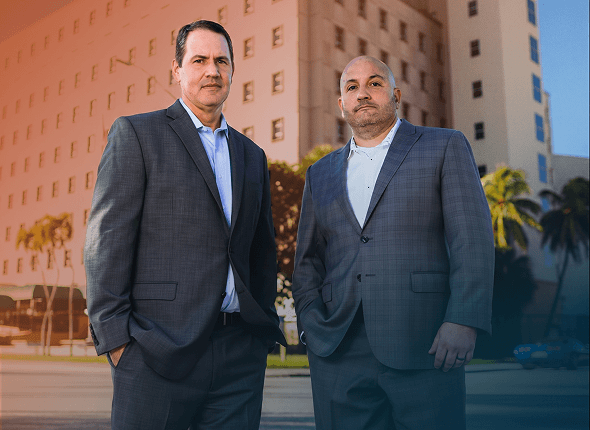
Brett M. Schwartz and John S. Hager bring more than 50 years of combined experience to state and federal criminal cases. You work directly with an attorney who knows your file and is prepared to answer when the situation changes."*" indicates required fields
