
Fighting Charges of Producing or Cultivating Controlled Substances
Drug manufacturing is a serious criminal offense that carries severe legal consequences at the state and federal levels. Beyond mere possession, the charge could involve operating a meth lab, running a grow house, or producing synthetic drugs. The government aggressively prosecutes those accused of making controlled substances without proper authorization. A conviction can lead to lengthy prison sentences, substantial fines, and asset forfeiture, making it critical to understand the stakes and legal options available.

Call (305) 330-1360 for a free, confidential consultation.
These cases are often highly complex, requiring a strong, strategic legal defense. Investigations typically involve forensic evidence, surveillance, and witness testimony, all of which must be thoroughly examined for inconsistencies, contamination, or procedural errors. Additionally, many defendants face charges that could have been the result of unintentional involvement, such as renting property to someone operating a grow house or possessing chemicals that law enforcement claims were intended for drug production.
At Hager & Schwartz, P.A., we recognize the seriousness and life-altering impact of drug manufacturing charges. Our legal team has extensive experience defending clients against state and federal drug crime accusations. We diligently work to challenge the prosecution’s case, suppress unlawfully obtained evidence, and seek reduced or dismissed charges whenever possible.
If you or a loved one is facing allegations, seek help from a skilled Miami drug manufacturing lawyer. Contact our office to schedule a confidential consultation and discuss your defense options.
What Constitutes Drug Manufacturing?
Manufacturing is a serious drug offense that involves the illegal production, cultivation, or synthesis of controlled substances without the required authorization or licensing. This process can include creating, preparing, processing, or producing illicit drugs such as methamphetamine, heroin, cocaine, LSD, and synthetic narcotics. Law enforcement aggressively investigates and prosecutes these cases, especially when large-scale operations or precursor chemicals are involved.
Understanding what qualifies as drug manufacturing is crucial, as the definition extends beyond simply cooking or chemically altering substances. It also encompasses cultivation offenses, where individuals grow illegal plants like marijuana or psychedelic mushrooms, as well as the possession of equipment, chemicals, or materials commonly used in drug production.
Drug manufacturing can take many forms, and law enforcement targets various activities under this broad charge.
Some of the most prosecuted offenses involve:
- Meth lab operations. The manufacture of methamphetamine often takes place in makeshift laboratories, known as meth labs, which can be set up in houses, apartments, garages, or even vehicles. The presence of lab equipment, solvents, or precursor chemicals such as pseudoephedrine may be enough to support an arrest.
- Grow houses for marijuana cultivation. A grow house is a residential or commercial property used for large-scale marijuana cultivation. Additionally, grow houses may also be used to cultivate psychedelic substances such as psilocybin mushrooms, further increasing legal exposure.
- Production of synthetic drugs. The creation of synthetic narcotics—such as fentanyl, MDMA, or designer drugs—requires precursor chemicals that serve as the building blocks of these substances. Even possessing certain chemical compounds or laboratory equipment without a legitimate reason can lead to charges of intent to manufacture.
Because drug manufacturing charges often stem from investigations into precursor chemicals, laboratory setups, or large quantities of controlled substances, individuals accused of these offenses need a strong, well-prepared legal defense.
State vs. Federal Manufacturing Charges
Drug manufacturing charges can be prosecuted at the state or federal level, depending on the circumstances of the case. While Florida and federal laws criminalize the production of controlled substances, federal cases generally carry harsher penalties and involve agencies like the Drug Enforcement Administration (DEA) and the Federal Bureau of Investigation (FBI).
State Drug Manufacturing Charges in Florida
Under Florida Statutes § 893.13, it is illegal for any person to manufacture controlled substances without authorization. This includes the cultivation, synthesis, or production of drugs such as methamphetamine, cocaine, heroin, and synthetic narcotics.
Factors that may result in state-level charges include:
- The alleged drug production occurred entirely within Florida’s jurisdiction
- The case involves smaller quantities of drugs or a first-time offense
- No interstate distribution or trafficking connections exist
Federal Drug Manufacturing Charges
At the federal level, drug manufacturing is prosecuted under 18 U.S.C. § 841(a)(1), which makes it unlawful to knowingly or intentionally manufacture a controlled substance, among other activities. Federal prosecutors often pursue cases that involve large-scale production, precursor chemicals, or cross-state distribution networks.
Factors that may elevate a case to federal prosecution include:
- The alleged manufacturing operation crossed state or international borders
- The use of precursor chemicals linked to large-scale drug production
- The presence of conspiracy charges, which can implicate multiple individuals in a broader drug ring
Individuals charged with federal drug manufacturing may also face other consequences, such as:
- Conspiracy charges. Even if a person did not physically manufacture drugs, they could still face prosecution under conspiracy laws if they allegedly participated in planning, financing, or supplying materials for the operation.
- Trafficking penalties. When manufacturing is linked to distribution or sales, additional charges related to drug trafficking may apply, significantly increasing potential penalties.
Legal Penalties for Drug Manufacturing
Florida and federal laws categorize drugs into five schedules, determining the severity of charges and potential penalties. The Controlled Substances Act (CSA) classifies drugs into five schedules based on their accepted medical use and potential for abuse, with Schedule I drugs carrying the harshest punishments.
The classification of a drug directly impacts the severity of manufacturing charges. Offenses involving Schedule I or II drugs typically result in the most severe penalties, while cases involving lower schedules may carry reduced sentences. However, even small-scale operations can lead to felony charges with significant legal and financial repercussions.
Distribution Penalties
In many cases, drug manufacturing charges are closely linked to possession with intent to distribute, which is also a serious felony. Under Florida Statutes § 893.13, a person can be charged with manufacturing or distribution if they are caught producing drugs with the intent to sell or distribute them.
Manufacturing and distribution charges often overlap, as authorities frequently assume that individuals producing large quantities of drugs intend to distribute them.
Penalties for drug distribution vary depending on the substance and amount, with enhanced sentencing for sales near schools, parks, or other protected areas.
Asset Forfeiture and Seizure of Property
One of the most devastating consequences of a drug manufacturing conviction is asset forfeiture. Under state and federal drug laws, authorities can seize property, vehicles, bank accounts, and real estate that they suspect were used in or benefited from illegal drug production.
Prosecutors often use asset forfeiture as leverage to push defendants into plea deals, making it crucial to have an experienced drug manufacturing attorney to challenge these actions.
Defending Against Drug Manufacturing Charges
Being accused of drug manufacturing is overwhelming, but it is essential to remember that a charge is not a conviction. Prosecutors must prove every element of the case beyond a reasonable doubt, and various defense strategies can challenge the validity of the allegations.
At Hager & Schwartz, P.A., we know that these cases often involve complex investigations, forensic evidence, and law enforcement procedures that may be flawed or improperly handled. Our approach focuses on exposing weaknesses in the prosecution’s case, ensuring that law enforcement acted within legal boundaries, and challenging scientific and procedural errors that could impact the outcome.
Defenses that may be available in drug manufacturing cases include:
- Challenging contaminated forensic evidence
- Exposing violations in the chain of custody of seized drugs
- Highlighting illegal searches and seizures
Choose a Skilled Team to Defend Your Manufacturing Case
Facing drug manufacturing charges can be overwhelming, but having the right legal team can make a difference. At Hager & Schwartz, P.A., we have extensive experience defending clients against state and federal controlled substance allegations. We use strategic defense tactics to challenge forensic evidence, improper police procedures, and constitutional violations. Our attorneys have a track record of reducing charges, securing case dismissals, and protecting our clients from harsh penalties.
If you or a loved one is under investigation or has been charged, immediate legal action is critical—contact us for a free, confidential consultation.
Tell us how we can reach you. Our team is available 24/7.
"*" indicates required fields
- The alleged drug production occurred entirely within Florida’s jurisdiction
- The case involves smaller quantities of drugs or a first-time offense
- No interstate distribution or trafficking connections exist
- The alleged manufacturing operation crossed state or international borders
- The use of precursor chemicals linked to large-scale drug production
These cases are often highly complex, requiring a strong, strategic legal defense. Investigations typically involve forensic evidence, surveillance, and witness testimony, all of which must be thoroughly examined for inconsistencies, contamination, or procedural errors. Additionally, many defendants face charges that could have been the result of unintentional involvement, such as renting property to someone operating a grow house or possessing chemicals that law enforcement claims were intended for drug production.
At Hager & Schwartz, P.A., we recognize the seriousness and life-altering impact of drug manufacturing charges. Our legal team has extensive experience defending clients against state and federal drug crime accusations. We diligently work to challenge the prosecution’s case, suppress unlawfully obtained evidence, and seek reduced or dismissed charges whenever possible.
If you or a loved one is facing allegations, seek help from a skilled Miami drug manufacturing lawyer. Contact our office to schedule a confidential consultation and discuss your defense options.
Manufacturing is a serious drug offense that involves the illegal production, cultivation, or synthesis of controlled substances without the required authorization or licensing. This process can include creating, preparing, processing, or producing illicit drugs such as methamphetamine, heroin, cocaine, LSD, and synthetic narcotics. Law enforcement aggressively investigates and prosecutes these cases, especially when large-scale operations or precursor chemicals are involved.
Understanding what qualifies as drug manufacturing is crucial, as the definition extends beyond simply cooking or chemically altering substances. It also encompasses cultivation offenses, where individuals grow illegal plants like marijuana or psychedelic mushrooms, as well as the possession of equipment, chemicals, or materials commonly used in drug production.
Drug manufacturing can take many forms, and law enforcement targets various activities under this broad charge.
Some of the most prosecuted offenses involve:
- Meth lab operations. The manufacture of methamphetamine often takes place in makeshift laboratories, known as meth labs, which can be set up in houses, apartments, garages, or even vehicles. The presence of lab equipment, solvents, or precursor chemicals such as pseudoephedrine may be enough to support an arrest.
- Grow houses for marijuana cultivation. A grow house is a residential or commercial property used for large-scale marijuana cultivation. Additionally, grow houses may also be used to cultivate psychedelic substances such as psilocybin mushrooms, further increasing legal exposure.
- Production of synthetic drugs. The creation of synthetic narcotics—such as fentanyl, MDMA, or designer drugs—requires precursor chemicals that serve as the building blocks of these substances. Even possessing certain chemical compounds or laboratory equipment without a legitimate reason can lead to charges of intent to manufacture.
Because drug manufacturing charges often stem from investigations into precursor chemicals, laboratory setups, or large quantities of controlled substances, individuals accused of these offenses need a strong, well-prepared legal defense.
Drug manufacturing charges can be prosecuted at the state or federal level, depending on the circumstances of the case. While Florida and federal laws criminalize the production of controlled substances, federal cases generally carry harsher penalties and involve agencies like the Drug Enforcement Administration (DEA) and the Federal Bureau of Investigation (FBI).
Under Florida Statutes § 893.13, it is illegal for any person to manufacture controlled substances without authorization. This includes the cultivation, synthesis, or production of drugs such as methamphetamine, cocaine, heroin, and synthetic narcotics.
Factors that may result in state-level charges include:
- The alleged drug production occurred entirely within Florida’s jurisdiction
- The case involves smaller quantities of drugs or a first-time offense
- No interstate distribution or trafficking connections exist
At the federal level, drug manufacturing is prosecuted under 18 U.S.C. § 841(a)(1), which makes it unlawful to knowingly or intentionally manufacture a controlled substance, among other activities. Federal prosecutors often pursue cases that involve large-scale production, precursor chemicals, or cross-state distribution networks.
Factors that may elevate a case to federal prosecution include:
- The alleged manufacturing operation crossed state or international borders
- The use of precursor chemicals linked to large-scale drug production
- The presence of conspiracy charges, which can implicate multiple individuals in a broader drug ring
Individuals charged with federal drug manufacturing may also face other consequences, such as:
- Conspiracy charges. Even if a person did not physically manufacture drugs, they could still face prosecution under conspiracy laws if they allegedly participated in planning, financing, or supplying materials for the operation.
- Trafficking penalties. When manufacturing is linked to distribution or sales, additional charges related to drug trafficking may apply, significantly increasing potential penalties.
Florida and federal laws categorize drugs into five schedules, determining the severity of charges and potential penalties. The Controlled Substances Act (CSA) classifies drugs into five schedules based on their accepted medical use and potential for abuse, with Schedule I drugs carrying the harshest punishments.
The classification of a drug directly impacts the severity of manufacturing charges. Offenses involving Schedule I or II drugs typically result in the most severe penalties, while cases involving lower schedules may carry reduced sentences. However, even small-scale operations can lead to felony charges with significant legal and financial repercussions.
In many cases, drug manufacturing charges are closely linked to possession with intent to distribute, which is also a serious felony. Under Florida Statutes § 893.13, a person can be charged with manufacturing or distribution if they are caught producing drugs with the intent to sell or distribute them.
Manufacturing and distribution charges often overlap, as authorities frequently assume that individuals producing large quantities of drugs intend to distribute them.
Penalties for drug distribution vary depending on the substance and amount, with enhanced sentencing for sales near schools, parks, or other protected areas.
One of the most devastating consequences of a drug manufacturing conviction is asset forfeiture. Under state and federal drug laws, authorities can seize property, vehicles, bank accounts, and real estate that they suspect were used in or benefited from illegal drug production.
Prosecutors often use asset forfeiture as leverage to push defendants into plea deals, making it crucial to have an experienced drug manufacturing attorney to challenge these actions.
Being accused of drug manufacturing is overwhelming, but it is essential to remember that a charge is not a conviction. Prosecutors must prove every element of the case beyond a reasonable doubt, and various defense strategies can challenge the validity of the allegations.
At Hager & Schwartz, P.A., we know that these cases often involve complex investigations, forensic evidence, and law enforcement procedures that may be flawed or improperly handled. Our approach focuses on exposing weaknesses in the prosecution’s case, ensuring that law enforcement acted within legal boundaries, and challenging scientific and procedural errors that could impact the outcome.
Defenses that may be available in drug manufacturing cases include:
- Challenging contaminated forensic evidence
- Exposing violations in the chain of custody of seized drugs
- Highlighting illegal searches and seizures
Facing drug manufacturing charges can be overwhelming, but having the right legal team can make a difference. At Hager & Schwartz, P.A., we have extensive experience defending clients against state and federal controlled substance allegations. We use strategic defense tactics to challenge forensic evidence, improper police procedures, and constitutional violations. Our attorneys have a track record of reducing charges, securing case dismissals, and protecting our clients from harsh penalties.
If you or a loved one is under investigation or has been charged, immediate legal action is critical—contact us for a free, confidential consultation.
HOW OUR ATTORNEYS PREPARE YOUR CASE
We preserve surveillance footage, photographs, dispatch recordings, body-camera video, medical records, phone data, and witness communications before they disappear. We investigate the scene, test the State’s timeline, and identify whether self-defense, accident, credibility problems, or unlawful police conduct changes the case.

TRUSTED WHEN THE STAKES ARE HIGH

They answered every question, kept me informed, and gave me confidence at every stage. The case was dismissed.

Former client
Brett was attentive, direct, and prepared. His strategy went above and beyond, and I could not be more pleased with the result.
Google review
The team treated my family with respect and acted quickly. We always knew what was happening next.
Miami client
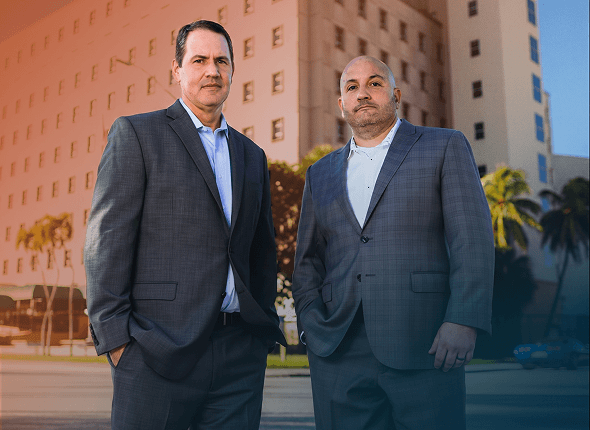
THE TEAM WHO WILL FIGHT FOR YOU
Brett M. Schwartz and John S. Hager bring more than 50 years of combined experience to state and federal criminal cases. You work directly with an attorney who knows your file and is prepared to answer when the situation changes."*" indicates required fields
